















Marking Behaviors
Cats scratch and mark because they are territorial. Scratching also satisfies the cats physical need to discard old nail sheaths and exercise its muscles.
"These behaviors are often misunderstood," Peterson says. "People think that their cats behave out of spite or revenge, but they are just being cats. The best tactic is not to get angry but rather to redirect the behaviors to acceptable objects." She suggests placing scratching posts strategically throughout the home.
As for spraying, it is normal for cats to mark their territory by spraying a small amount of urine on vertical surfaces, such as home furnishings and plants. A good, clean litterbox may help curb this behavior, Peterson says.
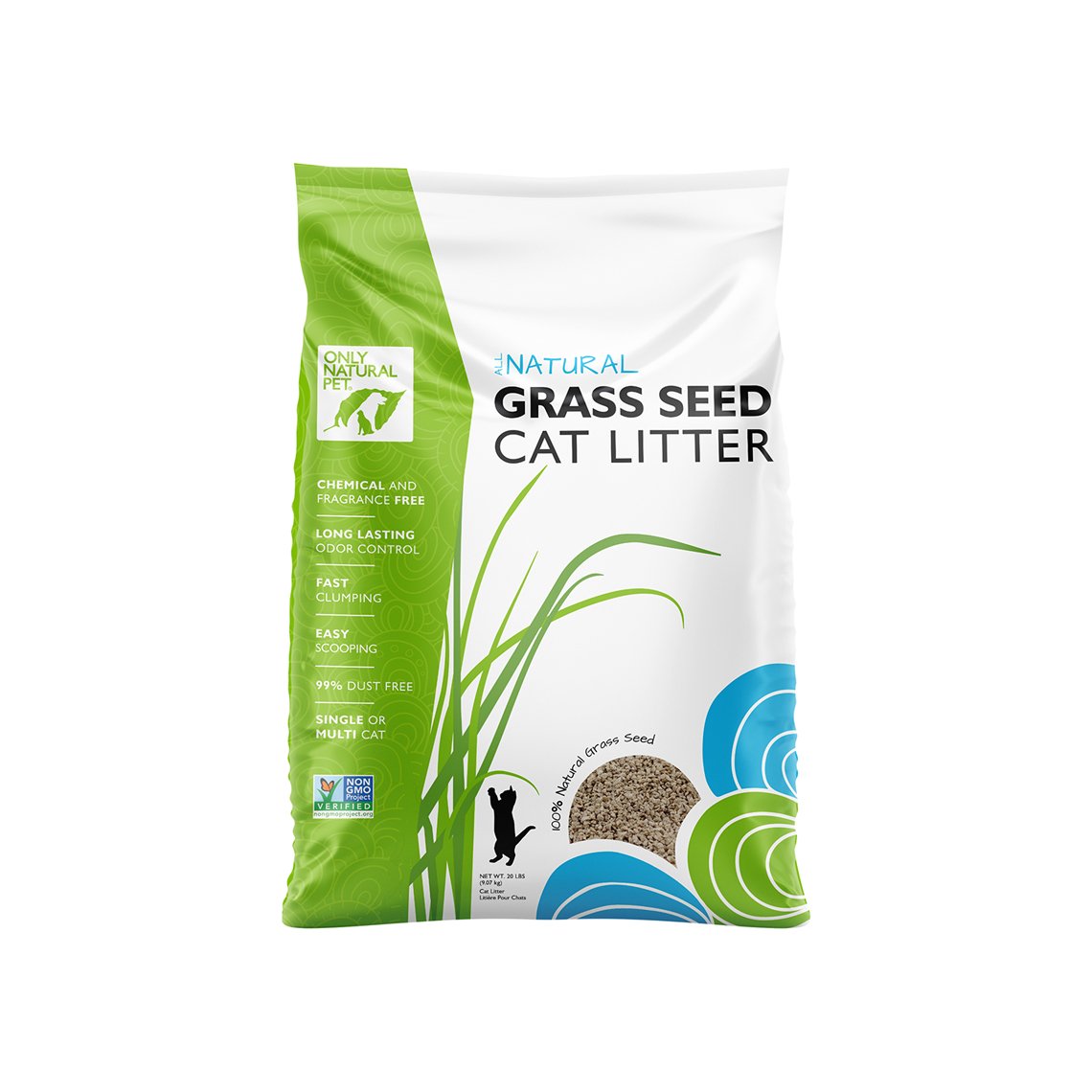
"A housecat needs a large, clean, conveniently located litterbox with high sides," Peterson says. Litter should be fine-grained and unscented.
Peterson also says that wild cats don't usually completely bury their waste or scratch and fling the dirt when they're done. This trait is more suited to the housecat for hygiene or safety reasons. If the cat misses or forgets to use the litterbox, it might be telling you about an illness or distaste in the litterbox, litter or box location.
"When cats don't use the litterbox or behave in ways that annoy us, its important not to rule out medical problems," Peterson says. "Maybe the cat has a urinary tract infection or arthritis. Punishment is ineffective and only damages the bond between animal and human. Redirecting behavior is best."
Page
1 | 2