




There are many effective flea and tick products available on the market, but what should you choose if you want to prevent and treat them naturally?
Nutrition First
Holistic veterinarians typically advise that the most important element in keeping your cat healthy is good nutrition. Donn Griffith, holistic veterinarian and director of The Ohio Center for Integrated Veterinary Medicine, suggests that nutrition plays a role in flea and tick prevention.
“The healthier your animals are, the less they are affected by fleas,” Griffith says. “So a good diet is very important.”
Diet and good health might not be enough to prevent a flea and tick infestation, but good nutrition never hurts and can strengthen your pet’s immune system, so feed your cat a high-quality food.
Keep Off!
If your cat currently is flea- and tick-free, you certainly want to keep it that way.
“The most natural method of prevention would be to keep your cat indoors and not allow other people to bring their animals into your house,” Griffith says.
“I think that fleas are a social disease, and they can usually be traced to one of your friend’s, relative’s or neighbor’s [pets].”
Griffith adds that most of his feline patients who live strictly indoors do not need any type of flea or tick treatment at all.
If your cat does have fleas, however, you need to eliminate them from your pet and your home.
“The safest, most natural form of flea control for cats is the flea comb,” says Katy Sommers, a holistic veterinarian in Ukiah, Calif. “I recommend this to all of my clients, as it is 100 percent safe and, when used on a regular basis, it can be an effective form of flea control.”
Groom your cat on a towel using a fine-toothed flea comb. “If you thoroughly comb your cat from nose to tail with a flea comb twice a day for two weeks and you do not see any fleas or ‘flea dirt’ — those black specks of flea excrement — it’s likely your cat currently isn’t experiencing a flea issue,” Sommers adds.
Some Assistance Required
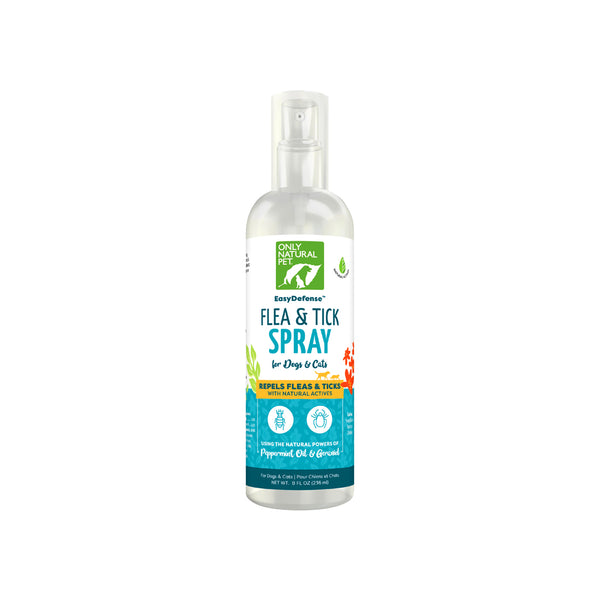
Non-chemical flea and tick treatments that you apply to your pet, such as sprays, shampoos and powders, can help eliminate infestations. The active ingredients in these products have naturally occurring insecticidal properties and include pyrethrins (organic compounds derived from chrysanthemums) and plant-based oils such as clove, peppermint and rosemary. These natural products can cause allergic reactions in some animals, so always test a small amount first before using the recommended quantity. If redness, burning or itching occurs, discontinue use.
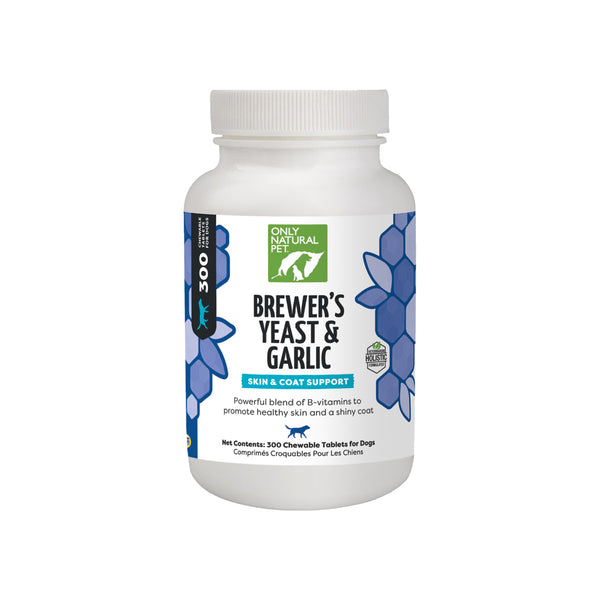
Internal preventives also are available. Given as pills or sprinkled on food in powdered form, these additives contain natural ingredients such as brewer’s yeast, garlic, vitamins and minerals, which help repel fleas and ticks by making your pet’s blood taste unappetizing to them.
Keep It Clean
Of course, to thoroughly eliminate any problem, you must address your cat’s environment. Clean every area in your home that your cat has access to, including your cat’s favorite sleeping spots, closets, basements and behind sofas.
“An adult [flea] jumps on the animal, sucks a blood meal, lays eggs, and those eggs are shaken around the house by the animal like a salt or pepper shaker,” Griffith explains.
Be diligent in cleaning so that you remove flea eggs and larvae before they hatch into adult fleas. Wash your cat’s bedding in hot water, mop floors and vacuum carpets often. Remember to vacuum corners, crevices and along baseboards.
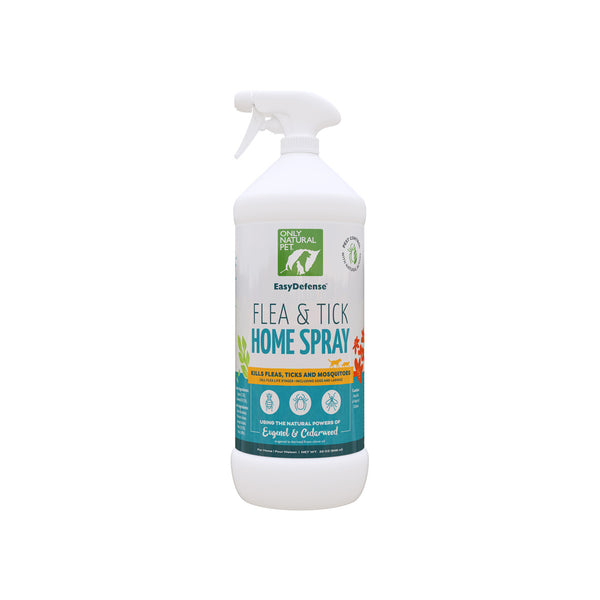
Non-chemical products for home treatment come as powders that are sprinkled on floors and carpets. Made from ingredients such as sodium perborate and diatomaceous earth (fossilized remains of diatoms, a type of algae), these natural substances kill fleas by clogging their pores and causing dehydration.
“You need to treat both the animal and simultaneously treat the environment,” Griffith stresses.
Your Cat Will Thank You
Not all non-chemical methods are without risks, and some treatments that are safe for dogs can be toxic to cats. Cats are extremely sensitive, so never use any product unless it is specifically made for them.
There are definite benefits to natural flea and tick care. You can avoid putting chemicals on your cat, which in some cases can trigger allergies and adverse reactions, and natural products are friendlier to the environment.
With guidance from your holistic veterinarian, you can keep your cat flea and tick-free naturally — and safely.
Helen Jablonski is a feline behavior consultant and a member of the Cat Writers’ Association. She shares her life with one man and seven cats.