















Posted Nov. 11, 2008, 3 a.m. EST
 As cold weather approaches, take precautions to keep your cat safe and warm, such as keeping her indoors. |
Cold, stormy weather has already wreaked havoc in certain parts of the country, including a recent blizzard in South Dakota that knocked out power and stranded motorists. Cats and dogs require special attention during the winter months, and American Humane Association urges pet owners to take precautions.
Here are some tips:
- When it gets chilly, wild animals and cats left outside may seek a car engine for warmth. Before starting the engine, bang on the hood a few times to make sure you won’t be traveling with an extra passenger.
- Cats and dogs might have fur, but that doesn’t mean they can withstand extreme temperatures. Pets should be kept inside if possible.
- If dogs are left outside, they should have a draft-free shelter large enough to stand and turn around in, yet small enough to retain body heat. American Humane suggests a layer of straw or other bedding material to help insulate pets against the cold.
- Typically, outdoor animals need more calories in the winter, so it’s best to feed them accordingly when the temperature drops. Talk to your veterinarian for advice on a proper diet.
- Some pets like to go outside to play in the snow, but many people use powerful salt and chemicals on their sidewalks to combat the ice. Clean paws after each outing to prevent pads from becoming dry and irritated. Signs of ingestion include excessive drooling, vomiting and depression.
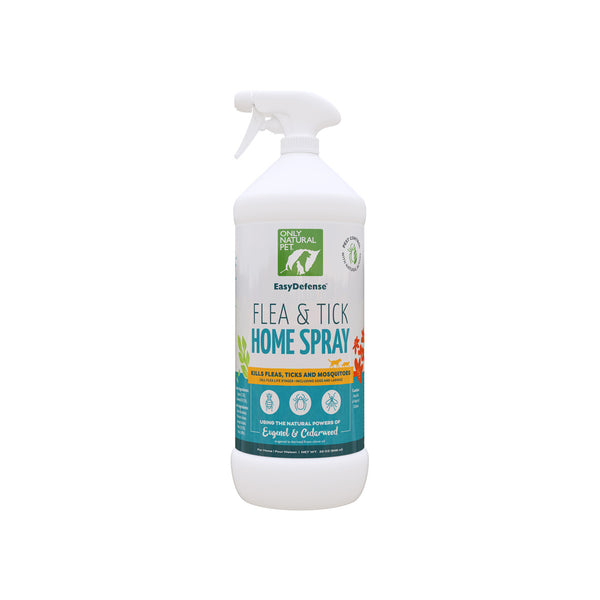
- Remember to keep pets on regular heartworm, flea and tick preventive medicines.
- Medications used to treat the sniffles can be harmful to pets. Keep prescriptions and over-the-counter drugs out of a pet’s reach. Do not medicate animals yourself unless under the direction of a veterinarian.