












Would you like to receive Club Cat Newsletters?

X Close Window
Please provide us with your email address in order to access this valuable pet content.
Fields marked with an asterisk * are required.
* Are you at least 13 years old?
YesNo
* First Name:
* Last Name:
* Email:
* City:
* State/Province:
* Enter the code shown:

* I would like to receive the monthly newsletter from CatChannel.com as well as occasional relevant Purina offers.
YesNo
If you select yes, CatChannel.com will send you their monthly newsletter. If after your first newsletter, you would like to terminate your free newsletter, you may opt-out and retain your membership to earn points towards free products. You may also get an occasional relevant email from Purina, sponsor of CatChannel.com.
How does your cat stay warm when it's cold outside?
Curls up in a sunny window
Snuggles in my lap
Lounges in the cat bed
Cuddles with a feline brother/sister

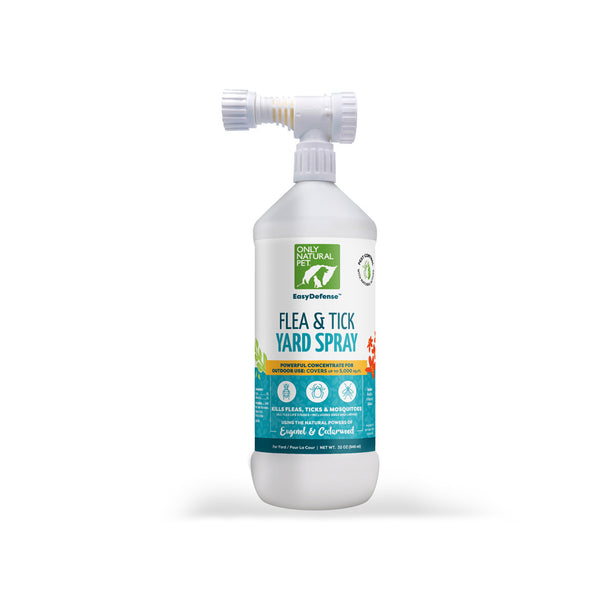
Cat Flea and Tick Control Frontline Plus (3 pk)
More Info »
Printer Friendly Bookmark and Share

Cat Heartworm

Heartworm Dangers

Find out how to protect your cat from this rare, but deadly disease.

Arnold Plotnick, DVM

Page 1 of 2

Heartworm Dangers

Most cat owners wrongly assume that cats are not susceptible to heartworm disease. In fact, feline heartworm disease (FHD), though relatively uncommon, is a serious and potentially fatal disease in cats.

The incidence of FHD is relatively low, and the clinical signs can be vague, often mimicking other conditions, especially asthma. Therefore, many veterinarians are unlikely to suspect heartworms in cats, and the disorder goes undiagnosed or misdiagnosed.

Both cats and dogs can serve as definitive hosts for heartworm disease. Cats acquire heartworm disease when heartworm larvae are transmitted to the cat via the bite of a heartworm-infected mosquito. The larvae develop into mature adult worms that travel to the heart and lungs.

Cats are biologically less hospitable hosts for heartworms than dogs. Adult heartworms have a five-year lifespan in the dog, but they only live for two years in cats. Cats mount intense immune and inflammatory responses to the worms. While an intense immune response sounds like a beneficial thing, with heartworm disease, the exuberant immune response can cause more damage than the parasite itself.

Any age cat of either sex is susceptible to FHD, although middle-aged males show the highest incidence. Both indoor and outdoor cats are vulnerable. According to Gary Norsworthy, DVM, owner of Alamo Feline Health Center in San Antonio, Texas, and editor of "The Feline Patient: Essentials of Diagnosis and Treatment," the most common findings in cats with FHD are sporadic coughing and labored breathing. Poor appetite, lethargy and weight loss are common nonspecific complaints. "Interestingly, vomiting has been reported in a high percentage of cats with FHD and in some cases may be the only clinical sign," Norsworthy says.

Heartworms can cause a sudden vessel obstruction in the lungs called acute pulmonary thromboembolism. Cats with this condition can develop abrupt respiratory distress and weakness followed by sudden death. Acute neurologic disturbances such as incoordination, blindness and seizures are occasionally seen in heartworm-infected cats. Congestive heart failure can develop in chronic cases.

Page 1 | 2

 Give us your opinion on
Heartworm Dangers
Submit a Comment
Reader Comments
Good article.
Linda, Mandeville, LA
Posted: 11/18/2008 8:52:00 PM
Very informative and important to know.
Angela, Hamburg, NY
Posted: 11/4/2007 7:24:04 AM
Very interesting article.
M, Greenview, CA
Posted: 10/18/2007 11:20:56 PM
Very informative, and important to know!
Angela, Hamburg, NY
Posted: 10/18/2007 3:52:04 PM
View Current Comments

Name:
Address:
City:
State:
Zip Code:
Email:

Kittens USA
Buy Now
Cats USA
Buy Now
Cat Fancy
Buy Now


Hi my name's Peeps~Thank you for COTD 1/9/09

Visit the Photo Gallery to
cast your vote!